
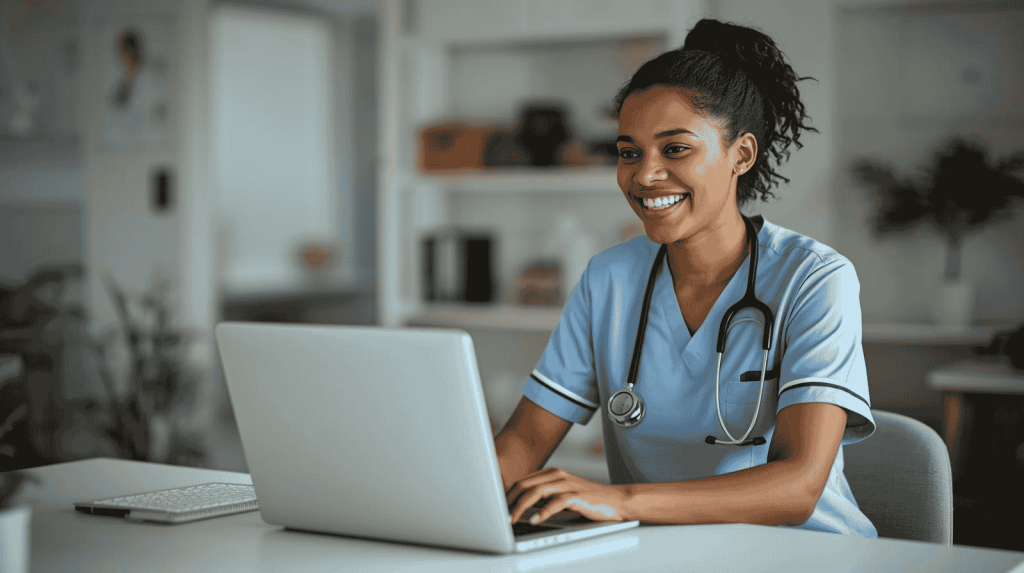
The landscape of nursing is evolving, with RN work from home becoming a viable and sought-after career path for many licensed professionals. This shift represents more than a change of location; it is a transition into roles that leverage nursing expertise through technology, critical thinking, and exceptional communication. Moving from bedside care to a remote setting requires a clear understanding of the available opportunities, the necessary certifications, and the specific environment needed to thrive. Successfully making this transition begins with knowing how to prepare and validate your qualifications in a digital space, a process often supported by platforms that facilitate remote professional verification.
Exploring the Spectrum of Remote Nursing Roles
The realm of RN work from home encompasses a diverse array of positions, each with unique responsibilities. Common roles include telehealth nursing, where you provide patient triage, education, and chronic disease management via phone or video. Case management and utilization review positions involve coordinating patient care plans, reviewing medical necessity, and working with insurance providers. Other opportunities exist in clinical documentation, health informatics, patient advocacy, and nursing education. Identifying which path aligns with your experience and interests is the first critical step. To begin exploring the current market and specific job requirements, reviewing active listings on major employment platforms can provide real-time insight into employer demands and qualifications.
Understanding Certification and Proctoring Requirements
Many RN work from home positions, especially those in specialized areas like case management (CCM) or informatics, require additional certifications. These credentialing exams are increasingly administered online through proctored testing to ensure integrity. This means that as you advance your career, you will likely need to navigate the remote testing environment. Understanding proctoring protocols—such as what to expect during the exam, what equipment is needed, and how to prepare your space—is therefore not just about exam day, but a professional skill for career development. Guidance on the essentials for any proctored assessment can be found in checklists detailing what to bring to a proctored exam.
Building Your Professional and Technical Foundation
Securing RN work from home employment requires more than just applying for jobs; it demands proactive preparation of your professional profile and workspace.
Cultivating Essential Remote Work Competencies
Beyond clinical knowledge, excelling in an RN work from home role requires sharpened competencies. These include superlative written and verbal communication, as interactions happen via email, chat, and video call. Technical literacy is paramount; you must be comfortable navigating multiple software platforms, electronic health records (EHRs), and telehealth interfaces. Furthermore, self-discipline, time management, and the ability to work independently without direct supervision are critical soft skills that employers highly value. Forums where professionals discuss remote work tools and challenges, such as those exploring proctoring implementations, can offer indirect insights into the digital tools and self-directed mindset needed for success.
Creating an Effective Home Office and Routine
Your physical environment is your new clinical unit. Invest in creating a dedicated, quiet, and professional workspace. Reliable, high-speed internet is non-negotiable, as is a quality headset and webcam for clear communication. Ensure your computer meets any technical specifications required by employers. Equally important is establishing a structured daily routine that includes defined work hours, breaks, and strategies to maintain boundaries between your professional and personal life, preventing burnout. Just as you would prepare meticulously for a proctored certification test using known proctored testing hacks, preparing your home office with the same rigor is key to long-term performance.
Taking Strategic Action Toward Your Remote Career
The journey to sustainable RN work from home is a deliberate process. Start by updating your resume and LinkedIn profile to highlight skills relevant to remote work, such as proficiency with specific EHR software, telehealth experience, or projects demonstrating independent initiative. Network virtually with nurses already in remote roles to gain insights. Pursue any necessary certifications with a disciplined study plan, familiarizing yourself with the remote testing process.
Your Next Steps for a Successful Transition
Transitioning to an RN work from home nursing role is an achievable goal that requires strategy, preparation, and an understanding of the modern digital professional landscape. By identifying your target role, understanding the certification pathways, and meticulously preparing your skills and environment, you position yourself as a competitive candidate in this growing field. For comprehensive information and resources on navigating the remote proctoring requirements that often accompany the certifications needed for these roles, a full-service proctoring information portal is available. For answers to common procedural questions about remote testing, you can also consult a detailed proctoring FAQ. Begin your strategic transition today.