

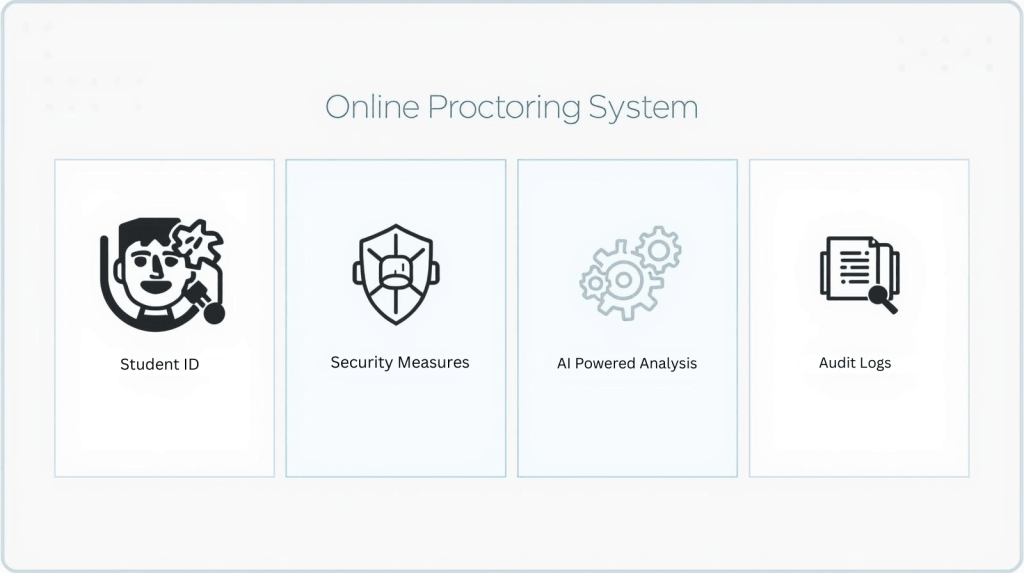
The rapid normalization of remote learning and certification has propelled the online proctoring system from a niche tool to a cornerstone of academic and professional assessment. These platforms serve a critical function: preserving the validity and security of examinations administered outside traditional controlled environments. However, the efficacy of an online proctoring system is not inherent; it is the product of a sophisticated integration of technology, protocol, and human oversight. Understanding its core components demystifies the process for both examinees and institutions, transforming it from a source of anxiety into a structured, comprehensible procedure.
The Technological Stack: More Than Just a Webcam
At its foundation, a robust online proctoring system relies on a multi-layered technological stack. This extends far beyond simple video capture. It typically includes a secure browser environment that restricts access to other applications, files, and websites during the exam. System checks for processor speed, memory, and internet stability are performed pre-examination to prevent technical failure from compromising the session.
Furthermore, the platform must be compatible across a wide range of devices and operating systems while maintaining stringent security to prevent tampering. This technical infrastructure, often detailed by university instructional technology centers, such as those outlining common proctoring tools, is the invisible framework that makes remote proctoring feasible. Without this reliable and secure foundation, no amount of monitoring can guarantee integrity.
Authentication and Identity Verification Protocols
The first active layer of any credible online proctoring system is a rigorous authentication process. This step is crucial for ensuring the registered candidate is the individual taking the exam. Methods have evolved from simple password entry to multi-factor verification, often involving government-issued photo identification, biometric checks (like facial recognition or keystroke dynamics), and sometimes even knowledge-based authentication questions.
This process may include a 360-degree room scan, requiring the candidate to use their webcam to show their immediate surroundings. The goal is to establish a verified, controlled testing environment before a single question is presented. This protocol addresses the fundamental challenge of remote assessment: confirming identity and environment without physical presence.
The Monitoring Methodology: AI and Human Synthesis
The core function that defines an online proctoring system is its monitoring capability. Modern systems typically employ a hybrid model, synthesizing artificial intelligence with human proctor oversight. AI algorithms continuously analyze the test-taker’s webcam feed, microphone audio, and screen activity in real-time. They are programmed to flag potential anomalies: unusual eye movements suggesting a second screen, the presence of another person in the room, or sounds of spoken communication.
These AI flags are then typically reviewed by a live human proctor. This human-in-the-loop model balances scalability with nuanced judgment. A proctor can distinguish between a candidate muttering to themselves in concentration and one receiving outside help. Insights into the proctor’s role and decision-making process highlight the importance of this human element in interpreting context and ensuring fair outcomes.
Incident Response and Violation Protocols
A critical, yet often undiscussed, component of an online proctoring system is its structured protocol for handling suspected violations. What happens when the system flags an anomaly? A clear escalation pathway is essential. This may involve the live proctor issuing a real-time warning via chat, pausing the exam for intervention, or, in clear cases of misconduct, terminating the session.
The system must also generate a detailed audit log or report for the institution, time-stamping flagged events with supporting video or screen capture evidence. This objective record is vital for any subsequent academic integrity proceedings. The absence of a clear, fair protocol can render the entire online proctoring system ineffective, as it lacks a mechanism to enforce its own rules.
Data Security, Privacy, and Ethical Considerations
The operation of an online proctoring system inherently involves the collection of sensitive biometric and personal environmental data. Therefore, its architecture must be built upon a foundation of robust data security and clear privacy policies. Encryption for data in transit and at rest, strict data retention schedules, and transparency about who has access to recordings are non-negotiable features.
This aspect generates significant debate within academic communities, as noted in discussions among educators and professors. A trustworthy system must balance the imperative of exam security with respect for individual privacy, adhering to regulations like FERPA in education or GDPR in broader contexts. The ethical design of the online proctoring system is as important as its technical efficacy.
Implementing and Selecting a Proctoring Solution
For an institution, selecting and implementing an online proctoring system requires alignment with specific assessment goals and values. Key considerations include the type of exams (high-stakes certification vs. low-stakes quiz), the volume of test-takers, the required level of security, and the budget. A clear communication strategy to prepare students for the process is equally vital to reduce anxiety and ensure technical readiness.
Evaluating the Ecosystem and Next Steps
A modern online proctoring system is a complex ecosystem integrating technology, identity verification, intelligent monitoring, and ethical data practices. Its purpose is to create a standardized, secure assessment field for all participants, regardless of location. For those involved in administering or taking remotely proctored exams, understanding this architecture is the first step toward engagement.
To explore the operational realities, common challenges, and best practices associated with these systems, further reading is available through dedicated resources and insights. A deeper comprehension of the online proctoring system empowers both institutions and candidates to navigate the landscape of remote assessment with greater confidence and clarity.