

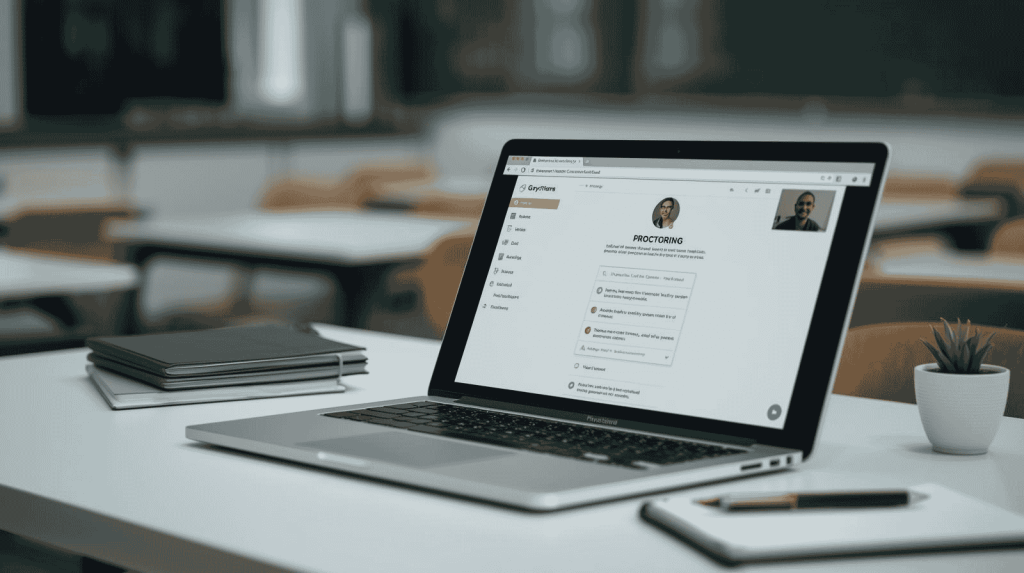
The rapid shift to digital learning environments has made the integrity of online examinations a paramount concern for educational institutions worldwide. Within the Moodle ecosystem, implementing a robust Moodle proctoring system is no longer an optional enhancement but a fundamental component of a credible remote assessment strategy. This process involves more than mere surveillance; it requires a structured approach that integrates technology, clear policy, and student preparation to create a fair and secure testing environment that withstands scrutiny and fosters a culture of honesty.
Establishing a Multi-Layered Proctoring Protocol
A truly effective system extends beyond a single plugin or tool. It is a holistic protocol designed to address multiple potential vectors of compromise. While native integrations, such as the available quiz access plugin, provide a foundational technical layer for identity verification and session recording, they function best as part of a broader framework. This framework should clearly define what constitutes acceptable and unacceptable behavior during an exam, the specific data being collected, and how it will be used and stored to comply with data protection regulations. Transparency in this protocol mitigates student anxiety and establishes trust, which is as crucial as the technology itself for widespread adoption and cooperation.
Technical Implementation and Environmental Checks
The pre-examination phase is critical for success. Institutions must ensure that the chosen Moodle proctoring tools are compatible with their version of the Learning Management System (LMS) and that they communicate precise technical requirements to students. This includes directives for a stable internet connection, a functional webcam and microphone, and a clean, distraction-free workspace.
A critical yet often missed step is a mandatory system check, allowing students to verify their equipment functionality within the proctoring environment before the high-stakes exam day. Providing students with a comprehensive resource, such as a guide on essential items for a proctored exam, empowers them to prepare their environment adequately, reducing technical issues that could be mistaken for academic dishonesty and streamlining the proctor’s review process.
Pedagogical Design as an Integrity Safeguard
Often overlooked, the design of the assessment itself is a powerful deterrent against misconduct. A robust Moodle proctoring strategy is powerfully supported by pedagogical forethought. This includes developing large question banks that generate unique assessments for each student, employing randomized question orders and answer choices, and setting intentional time limits that reflect the complexity of the tasks without encouraging desperate measures.
The integration of open-book or applied-knowledge questions that require synthesis and critical thinking, rather than simple recall, further reduces the incentive for cheating. When combined with proctoring, this design-first approach addresses integrity at the source. Furthermore, familiarizing students with the process through ungraded practice tests can demystify the experience and build confidence, as discussed in various proctoring insights.
Navigating Common Challenges and Community Insights
Deploying any new system comes with hurdles. Institutions may face student privacy concerns, technical support scalability, and varying comfort levels with the technology among faculty and examinees. A proactive communication plan that addresses data usage, security, and the educational rationale for proctoring is essential to overcome resistance. Engaging with the broader educational community can provide valuable perspectives and tested solutions. For instance, practical experiences and troubleshooting tips shared by other Moodle administrators, similar to those found in community discussions, can inform internal training and support structures, helping to anticipate problems before they arise. Addressing these challenges proactively is integral to a smooth Moodle proctoring rollout and long-term sustainability.
Building a Sustainable Culture of Integrity
Ultimately, the goal of any proctoring initiative is to cultivate a lasting culture of academic honesty. Clear, repeated communication about the why behind Moodle proctoring—upholding the value of qualifications, ensuring a level playing field for all learners, and preserving institutional reputation—is essential. This, paired with comprehensive support resources accessible through a detailed FAQ portal, shifts the narrative from one of suspicion to one of shared responsibility for maintaining academic standards. Recognizing and rewarding courses that exemplify best practices in assessment design can further incentivize faculty to move beyond reliance solely on surveillance.
Advancing Your Institutional Assessment Standards
The journey toward impeccable online assessment integrity is continuous and demands ongoing evaluation. As remote and hybrid learning models persist, refining your proctoring protocols—balancing security, user experience, and pedagogical soundness—will remain a dynamic necessity. A successful framework is iterative, incorporating feedback from students, faculty, and proctoring analysts to improve each cycle.
To delve deeper into advanced configurations, ethical considerations, and systematic best practices for creating a seamless and secure testing experience, explore specialized expertise and guidance available from leading resources in the field. Begin comprehensively optimizing your approach today by engaging with proven solutions dedicated to the nuanced complexities of digital assessment integrity and successful Moodle proctoring implementation.


Pingback: Do Proctored Exams Record You? - Ask Proctor
Pingback: Wonderlink Exam Questions: 5 Powerful Strategies For Passing
Pingback: Pass A Proctored Exam: 5 Powerful Strategies To Succeed
Pingback: How To Pass Electrical Exams: 5 Key Strategies To Follow
Pingback: 5 Powerful Proctored Testing Hacks For A Seamless Experience