
Language proficiency requires a blend of technical knowledge and practical application. Whether you are facing a standardized proficiency test like the IELTS or TOEFL, or a classroom-based literature and grammar exam, success comes down to strategy.
1. Understand the Exam Format
Before diving into the books, you must know what you are up against. Every English exam has a specific flavor. Are you being tested on academic writing, or is it a multiple-choice grammar test?
- Action: Review past papers and official rubrics. Understand the weighting of different sections such as reading, writing, listening, and speaking so you can allocate your study time effectively.
2. Immerse Yourself in the Language
The best way to prepare is to make English a part of your daily life. This is often called passive learning.
- Action: Change your phone’s language settings to English, listen to English podcasts during your commute, and watch movies with English subtitles. This helps your brain get used to the rhythm and structure of the language without it feeling like work.
3. Master the Art of Active Reading
Simply reading a text isn’t enough; you must interact with it. For exams involving literature or comprehension:
- Action: Practice skimming for general ideas and scanning for specific details. When reading a practice passage, highlight keywords and summarize each paragraph in the margin. This trains your brain to identify the main argument quickly, which is vital for timed exams.
4. Expand Your Vocabulary Strategically
Top Universities advises against trying to memorize a dictionary. Instead, focus on functional vocabulary words that allow you to connect ideas.
- Action: Focus on transition words. Using these correctly can significantly boost your writing score by improving the flow and sophistication of your essays.
5. Practice Under Exam Conditions
A common mistake is studying in a relaxed environment and then panicking during the actual test.
- Action: Set a timer and complete practice tests without distractions. This builds mental stamina and helps you manage your time. If you have 60 minutes for three sections, learn to move on if a single question is taking too long.
6. Focus on Grammar in Context
Memorizing grammar rules is less effective than seeing how they work in real sentences.
- Action: Rather than just doing grammar worksheets, practice writing short paragraphs using specific tenses. This ensures you can actually apply the rules during the writing portion of the exam.
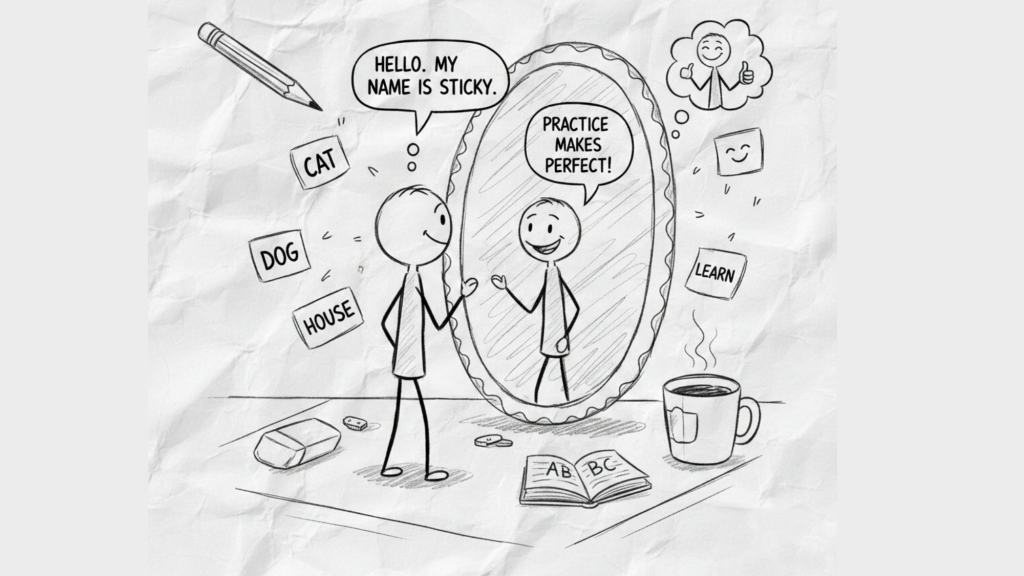
7. Utilize the Speak Out Loud Method
If your exam includes a speaking component, you cannot prepare in silence.
- Action: Record yourself speaking on a topic for two minutes. Listen back to identify filler words and areas where your pronunciation might be unclear. This builds the confidence needed to interact with an examiner.
8. Review and Edit
Finally, final checks. In the writing section, many students lose easy points due to silly mistakes.
- Action: Always leave five minutes at the end of your exam to proofread. Look specifically for subject-verb agreement, spelling errors, and punctuation.
Conclusion
Passing an English exam is not just about how much you know; it is about how well you can communicate that knowledge under pressure. By combining immersion, strategic vocabulary building, and timed practice, you can transform the language from a barrier into a tool for success. Start early, stay consistent, and remember that every English interaction is a step toward your passing grade.